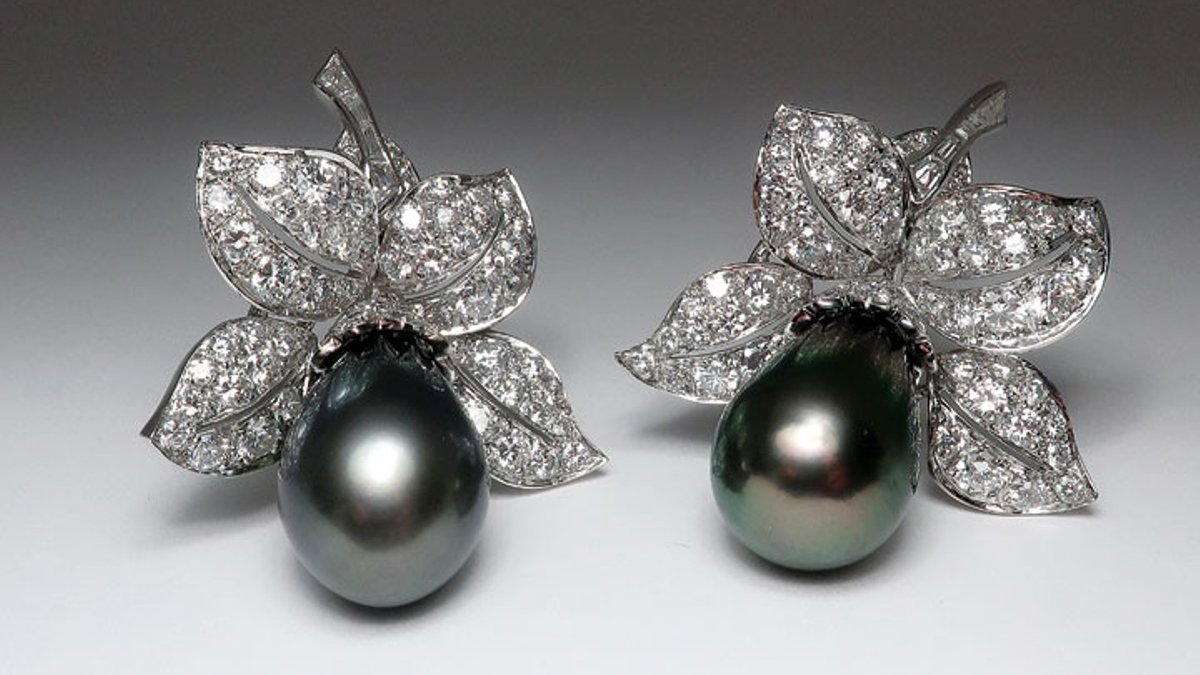
Platinum has long been regarded as the most prestigious metal in the jewellery world, often out-pricing gold on a pure-metal basis. As gold recently breached the $5,000-per-ounce mark in U.S. dollars, consumers wonder why platinum, historically the costlier metal, still commands a premium.
From ancient nuggets to a modern marvel
Mueso del Oro, in Bogotá, Colombia, features an extraordinary collection of artifacts made before Spanish colonization. Some of these gold items feature elements that are entirely platinum, but date to at least 1,300 (or more) years ago. Similar particles have been identified in ancient Egyptian gold, suggesting that early metallurgists encountered the metal but mistook it for a form of silver.
Spanish conquistadors in the 1700s labeled the white specks “platina” and discarded them in the Bogotá and Cauca rivers because they could not melt the material alongside gold. It was not until Swedish chemist H.T. Scheffer described platinum as a “new metal” in 1751 that the element entered European scientific awareness.
Industrial use remained limited until 1903, when French inventors Edmond Fouché and Charles Picard demonstrated that an oxy-acetylene torch could reach the 1,773 °C melting point required for the metal. This breakthrough allowed artisans to work the material reliably, sparking a shift from the heavy Victorian style to the delicate, open-work designs of the Belle Époque.
By the 1920s, platinum became the preferred setting for diamonds, offering a white, resilient backdrop that silver could not match. In 1925 a single ounce sold for $118.21, more than five times the price of gold at $20.66, confirming its status as the luxury choice for high-end jewellery.
Read Also: AI Streamlines Jewellery Retail Behind the Scenes
Purity, alloying and contemporary production
In Canada, the Precious Metals Marking Act mandates that any piece stamped “Platinum,” “Plat” or “Platine” must contain at least 95 per cent pure metal, often alloyed with iridium or ruthenium for added hardness. Unlike gold, which is sold in 10, 14 or 18 karat grades, platinum jewellery is typically presented without a karat label because the purity level is uniform.
Refining facilities such as the Royal Canadian Mint achieve up to 99.999 per cent purity for gold; platinum refining reaches similar levels, though the market standard remains 95 per cent for finished pieces. The high density of platinum—21.45 g/cm³ versus gold’s 19.32 g/cm³—means a ring feels noticeably heavier than a comparable gold band.
Because the metal is harder to work with, only specialised manufacturers handle its casting and setting. Its resistance to wear and its hypoallergenic nature make it a lasting choice for engagement rings and other heirloom items.
A metal with ancient roots, modern applications
The discovery of platinum in South American gold artefacts predates European awareness by centuries. Pre-Columbian metallurgists in regions now part of Colombia and Peru had mastered separating platinum from gold through gravity-based techniques, exploiting the metal’s higher density. These early craftsmen embedded pure platinum into gold pieces, though they likely viewed it as an impurity rather than a distinct material.
Platinum remains a highly valued metal in the jewellery industry due to its unique properties and historical significance, continuing to be a popular choice for luxury jewellery pieces.


