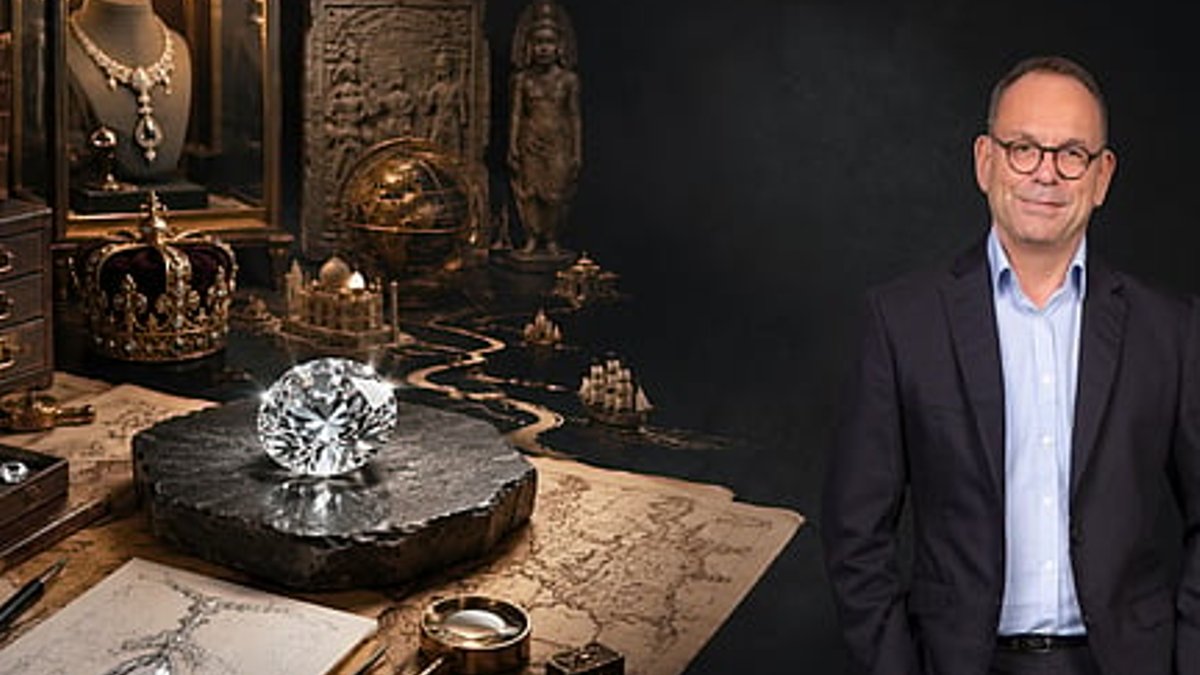
Luxury brands like Cartier, Tiffany & Co., and Van Cleef & Arpels invest heavily in preserving their heritage, maintaining archives, and organizing exhibitions to reinforce their identity and support pricing power. This approach helps strengthen consumer attachment and maintain long-term desirability.
The natural diamond industry, with its history spanning thousands of years, has never created a dedicated institution to preserve its shared heritage. Unlike luxury houses, the industry lacks a centralized effort to identify, document, and preserve its legacy.
The absence of a dedicated heritage institution is becoming increasingly visible, as consumers can readily associate luxury brands with their historical significance, but many professionals in the diamond trade struggle to name historically important diamonds.
This is not a marketing challenge, but a heritage challenge. The Natural Diamond Council promotes the category and communicates the value proposition of natural diamonds, while the World Diamond Heritage Board was established to preserve, document, and transmit diamond heritage.
Most successful luxury houses invest in both marketing and heritage, as they serve different purposes. Marketing drives awareness and demand, while heritage preserves relevance across generations.
The first step in preserving diamond heritage is the creation of the World Diamond Heritage List, an initiative to identify and document the 100 most important diamonds in history. This list aims to build a shared cultural framework for the natural diamond category, supporting education, storytelling, and future industry initiatives.
The objective is not simply to celebrate famous stones, but to begin building a cultural framework that can support the industry’s long-term relevance. Marketing and heritage are not mutually exclusive, and the industry needs both to thrive.
The NDC was created in 2015, and the next stage is to establish a similarly structured commitment to heritage preservation. Allocating a small proportion of existing marketing expenditure to long-term heritage initiatives could provide sufficient resources to begin building archives, research programs, and cultural projects.
The value of investing in heritage is unlikely to be measured in quarterly results, as heritage programs rarely produce immediate returns. Their impact is measured over decades through stronger cultural relevance, deeper consumer understanding, and a more resilient category identity.
The World Diamond Heritage Board was launched 16 months ago to address the gap in heritage preservation, and has established World Diamond Day, initiated the World Diamond Heritage List, and developed additional heritage-focused projects. These efforts have been built independently, funded through significant personal investment, and supported by a growing international community.


