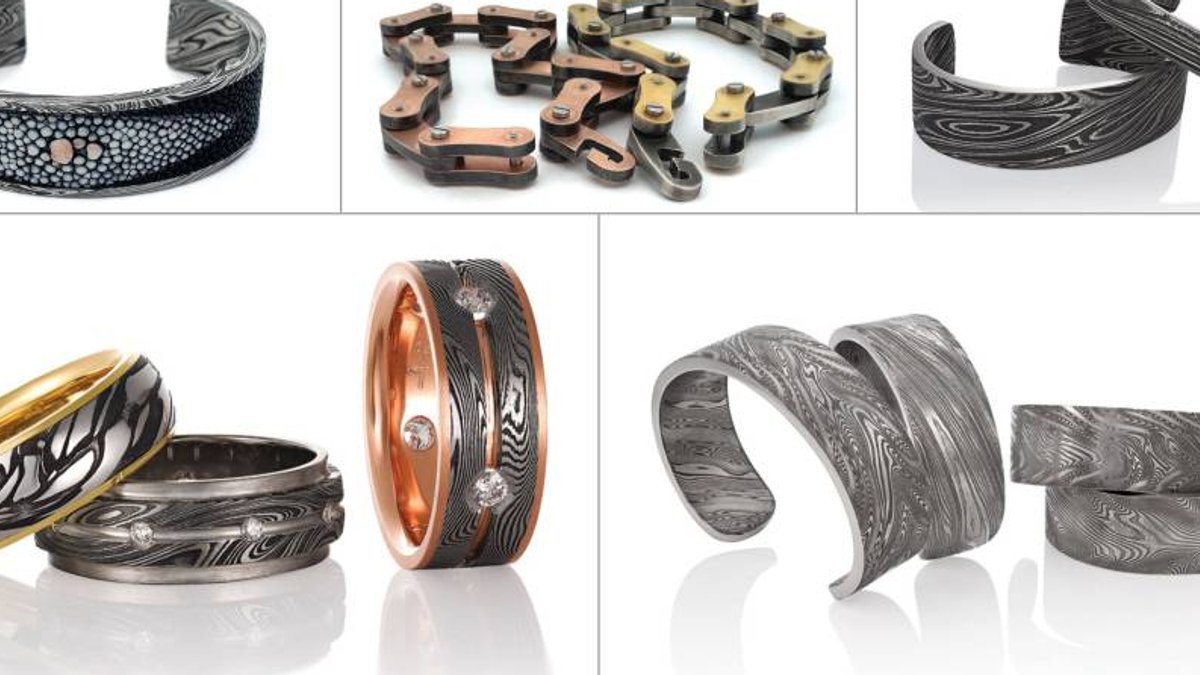
Men are wearing more jewelry than ever, moving beyond simple wedding bands and watches to adopt a wider range of accessories. This shift reflects a growing comfort among men with self-purchasing and wearing pieces that express personal style rather than just function. Designers are responding by creating items that balance detailed aesthetics with durability, leading to a surge in popularity for styles that were once considered feminine or purely decorative. [1]
Bracelets are evolving into statement pieces that are wearable for daily life. The trend favors wider designs, often around 20 millimeters, that feel substantial in the hand. These cuffs frequently use Damascus steel, a metal with a history dating back to the Viking era, which appeals to men who appreciate the historical allure of the material. Leather inlays and bi-metal link chains are also common, adding a rugged texture to the designs.
Functionality is becoming just as important as beauty in these accessories. Some link bracelets are engineered with custom shoulder screws that allow for fluid movement, while clasps are designed for one-handed operation. This engineering focus attracts men who enjoy gadgets and well-made objects. Cufflinks are also seeing a renaissance, with well-dressed men increasingly buying multiple pairs for themselves, often choosing playful or unconventional shapes that stand out under a jacket.
Related: Vehicle attacks and armed robberies hit Canadian retailers
Materials and Innovation
The industry is seeing a rise in the use of non-traditional materials. Carbon fiber is particularly popular because of its light weight and strength, giving it a silky black appearance that men favor. This material is often paired with precious metals to create rings and pendants, adding an element of engineering heritage similar to what is found in aerospace and Formula 1.
Another significant development is the use of Modern Electrum (ME), a contemporary interpretation of an ancient metal. This proprietary blend of silver, gold, and palladium is over 95 percent precious metal and resists rust, tarnish, and corrosion. It offers a strong alternative to silver that is less expensive than gold, making it attractive to men with active lifestyles who need jewelry that can withstand daily wear without losing its shine.
Diamonds are also finding their way into men’s rings more frequently. Buyers are increasingly interested in adding sparkle, especially for bridal sets. A standout option is the Gacho Kue diamond, which has high fluorescence. Men enjoy these stones for their cool factor and the story behind the material’s natural properties.
Related: Personalized Beauty and Meaning of Birthstone Jewellery
Pendants and Personal Expression
Pendants and necklaces are driving a major portion of men’s self-purchasing interest. These items allow wearers to express their interests, values, or experiences through symbols ranging from religious icons to personal mementos. Styles like the Japanese Yanone pendant, inspired by Samurai swordsmen, and dog tags made from Damascus steel with gold or leather inlays are gaining traction.
This trend is fueled by public figures and celebrities who wear necklaces and brooches on red carpets. The acceptance of these accessories in high-profile settings has helped normalize them for everyday wear. As men feel more confident mixing formal and casual elements of their wardrobe, fine jewelers are finding a new opportunity to engage with male clients through conversation about personal style.


